Discover Randolph top Stamped Concrete Rental for Stamped Concrete Projects
Discover Randolph top Stamped Concrete Rental for Stamped Concrete Projects
Blog Article
Skilled Stamped Concrete Rental Services for Spectacular Backyard Spaces
Expert stamped concrete rental options deliver an economical choice for homeowners and construction professionals aiming to upgrade outdoor spaces. These services provide access to advanced machinery and apparatus, ensuring superior performance without the commitment of acquiring. The ability to create intricate motifs and durable finishes is appealing. Still, understanding the complexities of initial preparation and regular care is essential. What points should to be examined prior to commencing a concrete stamping undertaking?
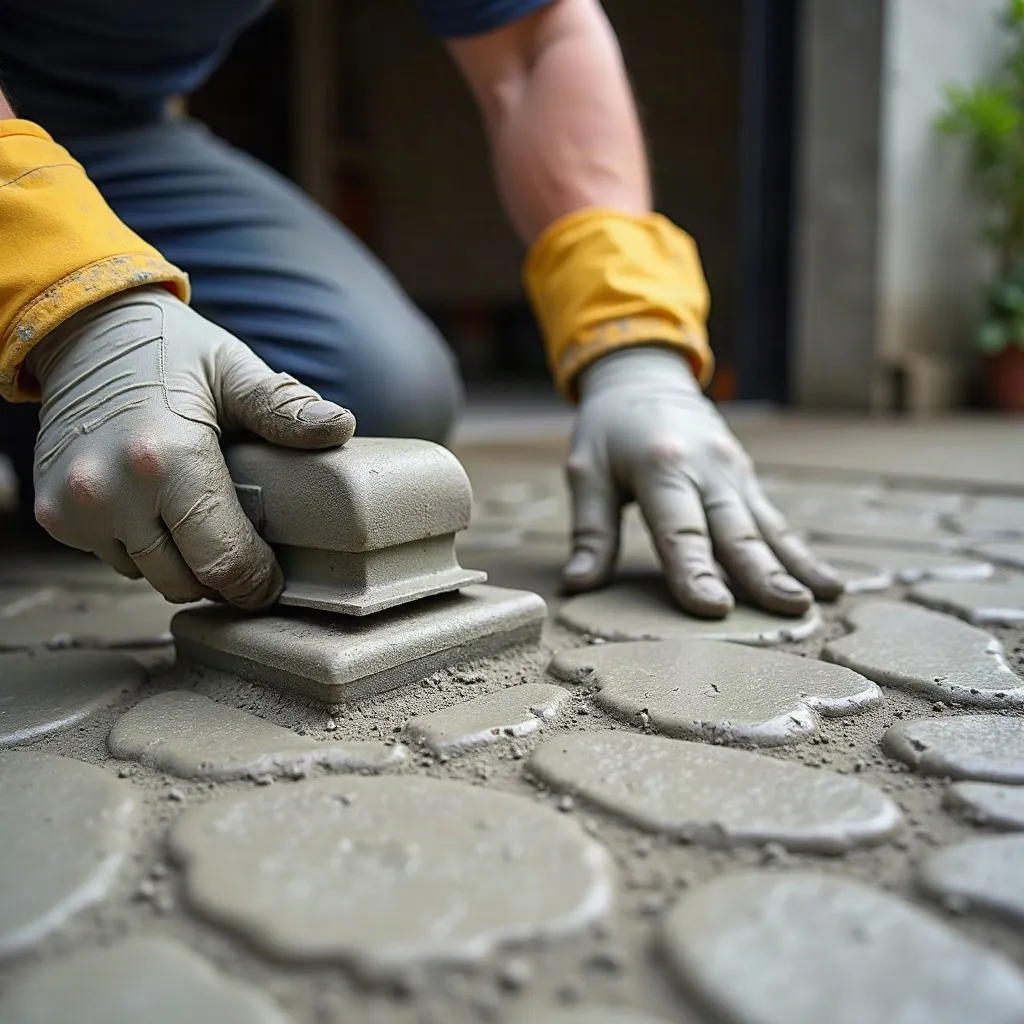
Why Opt for Stamped Concrete for Your Outdoor Space
When considering improvements for exterior areas, many homeowners find that stamped concrete provides a attractive blend of aesthetics and functionality. This flexible option enables for a range of designs, mimicking natural materials such as stone, brick, or tile, while delivering a long-lasting surface. Stamped concrete is impervious to weathering, making it ideal for various climates, and its low maintenance requirements are attractive to busy homeowners.
Additionally, stamped concrete can increase property value, as it produces visually appealing pathways, patios, and pool decks that draw prospective buyers. Its ability to blend seamlessly with landscaping further improves outdoor spaces. The installation process is also relatively quick compared to other materials, minimizing disruption to the home environment. Homeowners value that stamped concrete can be customized to suit individual tastes, providing a unique touch to their outdoor aesthetics. Overall, decorative concrete stands out as a functional and stylish choice for enhancing outdoor living areas.
What Equipment Is Needed for Stamped Concrete?
When dealing with stamped concrete, having the correct tools is important for obtaining professional results. Essential tools include concrete mixers, stamps, and finishing trowels, while safety gear such as gloves refer now and masks offers protection during the process. Comprehending these requirements can considerably boost both the efficiency and safety of the project.
Vital Pressed Concrete Implements
An assortment of vital tools are essential for accurately carrying out stamped concrete work, guaranteeing precision and quality in the final product. Key tools consist of a concrete mixer for consistent material blending, trowels for smoothing and shaping, and stamp molds that create desired patterns. A concrete float helps in leveling the surface, while edging tools help define clean lines around the project. For texturing, professional-grade stamps and rollers enhance the design, and a groover is essential for creating joints that control cracking. Finally, a curing compound sprayer guarantees proper hydration. Utilizing these tools effectively not only enhances the visual attractiveness but also contributes to the strength of the stamped concrete installation.
Required Safety Gear
It is vital to use proper safety gear when working with stamped concrete to reduce risks and establish a secure working environment. Starting with protective glasses helps protect workers' eyes from dust and debris. Wearing strong gloves is necessary for protecting hands from sharp tools and rough surfaces. Steel-toed boots are advised to prevent foot injuries from heavy materials. Furthermore, a hard hat can help avoid head injuries caused by falling objects. When dealing with concrete dust or chemicals, using respirators or masks is essential for preventing respiratory problems. Lastly, knee pads offer comfort and protection during the kneeling involved in the stamping process. Following these safety gear guidelines promotes a safer work environment for everyone.
How to Get Your Site Ready for Stamped Concrete Setup
Getting the space ready for stamped concrete application is essential for achieving a long-lasting and aesthetically pleasing surface. The first step includes clearing the area of any waste, vegetation, or existing concrete. This ensures a clean slate for the new application. Next, the ground must be dug out to the correct depth, typically 4 to 6 inches, depending on the project requirements. Proper grading is vital to promote adequate drainage, preventing future pooling or cracking.
Once the area is ready, a sturdy sub-base made of stone grit or crushed stone should be laid down to enhance stability. Installing forms to outline the intended shape is also important, as they guide the concrete pour and maintain the structure. Finally, the site should be compacted to remove air pockets, ensuring a solid foundation. Following these steps will markedly contribute to the longevity and aesthetics of the stamped concrete surface.
Top Stamped Concrete Patterns and Textures for Your Outdoor Space
Stamped concrete provides an array of beautiful designs and finishes that can transform any outdoor space into a aesthetically appealing space. Popular options include patterns that replicate stone textures, such as slate, brick, and flagstone, allowing homeowners to achieve a sophisticated look without the associated costs.
Color alternatives differ from natural colors to bold shades, allowing adaptation to align with established landscaping or architectural styles. Embossed treatments can deliver relief and distinctiveness, boosting the total look of patios, walkways, and driveways.
With a up-to-date touch, geometric patterns and bold colors are increasingly favored, while conventional styles remain timeless choices. Plus, decorative borders can establish boundaries and create visual interest. Each design choice not only elevates the charm of outdoor areas but also boosts value to the property, making stamped concrete as a multi-functional and engaging solution for homeowners wanting to improve their outdoor living spaces.
Regular Cleaning Methods
Keeping decorative concrete surfaces clean requires a careful approach to ensure their durability and aesthetic appeal. Regular maintenance begins with brushing or using a blower to remove debris and dirt. For deeper cleaning, a mixture of mild detergent and water can be applied with a soft-bristle brush. Avoid harsh chemicals, as they may damage the surface. Rinsing thoroughly is essential to prevent residue buildup. Additionally, addressing stains promptly is vital; using a diluted vinegar solution can effectively lift organic stains. For grease or oil stains, a specialized cleaner may be necessary. Ultimately, implementing these techniques consistently will help maintain the beauty of stamped concrete and extend its lifespan. Regular attention guarantees the surface remains inviting and visually appealing.
Sealing for Longevity
Regular upkeep creates the basis for the longevity of stamped concrete, but coating plays a critical role in safeguarding and enhancing its appearance. Coating creates a barrier against water damage, marks, and UV damage, which can result in color loss and decay over time. Experts suggest applying a high-quality acrylic or polyurethane sealant to guarantee optimal protection. Application should happen every one to three years, depending on environmental conditions and foot traffic. Additionally, proper surface preparation is essential; any debris or dampness can prevent bonding. When applying the sealant, a uniform, even coat should be applied to prevent pooling or marks. In summary, regular coating not only preserves the vibrant colors of stamped concrete but also increases its lifespan considerably.
Addressing Top-level Harm
Addressing surface damage quickly guarantees the durability of stamped concrete. Regular inspections can help detect issues such as cracks, chips, or discoloration. When damage happens, immediate repair is essential. For minor cracks, a concrete repair putty can efficiently fill in gaps, ensuring a smooth surface. Once the repair is finished, applying a fresh coat of sealant not only enhances appearance but also shields the repaired area from subsequent deterioration.
Moreover, avoiding harsh chemicals during cleaning can avert further deterioration. Consistent upkeep, with every few years, will reinforce the durability of the surface. By emphasizing these repair techniques, property owners can maintain the aesthetic appeal and structural integrity of their stamped concrete, confirming it remains a stunning feature of their outdoor spaces.
Benefits of Renting Stamped Concrete Machinery
Why should builders evaluate renting stamped concrete equipment? Renting presents several advantages, notably for those seeking to enhance outdoor spaces without the long-term commitment of ownership. First, it allows contractors to gain access to high-quality, specialized tools that may not be financially viable to purchase outright. This access confirms that projects can be completed with professional-grade results.
Moreover, leasing gear decreases maintenance responsibilities and storage concerns, allowing contractors to concentrate on project completion. It also provides flexibility; contractors can select the appropriate gear for each specific job, adapting to different project requirements and sizes.
Moreover, leasing may result in cost savings, particularly for short-term projects, as it eliminates the need for substantial initial capital. Overall, taking advantage of rental options for stamped concrete equipment allows contractors to maximize their efficiency while delivering stunning results efficiently.
Planning Your Budget for Stamped Concrete Installation
Planning your financial allocation for a stamped concrete undertaking demands careful consideration of multiple elements to guarantee proper completion. First, the expense of materials is crucial, comprising concrete, stamps, and color additives. These elements can greatly influence the overall budget. Additionally, labor costs must be considered, particularly if hiring professionals for installation. Leasing tools may also be required, which can differ in cost depending on the tools required and length of lease.
An essential aspect is ground readiness, consisting of drainage systems and grading, which can create added expenses. Owners should set aside funds for sealing and maintenance to prolong the useful life of the stamped surface. Finally, it's prudent to build in a backup fund for unexpected expenses that could surface during the project. By analyzing these components, individuals can create a detailed budget that matches their vision for a remarkable outdoor space.
Regularly Asked Questions
What is the expected durability of textured concrete versus Other surfaces?
Stamped concrete typically persists 25 to 30 years, outperforming materials like asphalt, which may last 15 years, and pavers, which can endure 20 years. Proper maintenance markedly boosts the longevity of stamped concrete installations.
Installing patterned concrete in winter temperatures - can it be done?
Stamped concrete can be positioned in winter conditions, but special precautions are vital. Cold temperatures may affect curing, so applying additives and protective coverings is encouraged to guarantee proper adhesion and durability in colder climates.
Which Tones and Designs Can You Find for Stamped Concrete?
Numerous color and pattern choices are available for stamped concrete, including earth tones, vibrant tones, and intricate designs imitating stone, brick, or tile. Personalization options allow to develop distinctive creations personalized for individual preferences and aesthetics.
Is Stamped Concrete Likely to be Slick When Wet?
Stamped concrete often becomes hazardous when wet, especially if it has a smooth finish. However, engraved surfaces or extra treatments can strengthen traction, decreasing the risk of slipping in moist conditions and retaining aesthetic appeal.
How Can I Fix Damage in Stamped Concrete?
Repairing damages or cracks in stamped concrete involves cleaning the area thoroughly, applying a concrete patching compound, smoothing it out, and considering re-sealing the surface for protection. Regular maintenance can avoid future issues.
Report this page